By Peter mabira
Uganda:- The Uganda National Students Association (UNSA) has issued a stern warning to government, demanding an immediate upward revision of living stipends for university students to avert a looming public health crisis in higher institutions of learning.
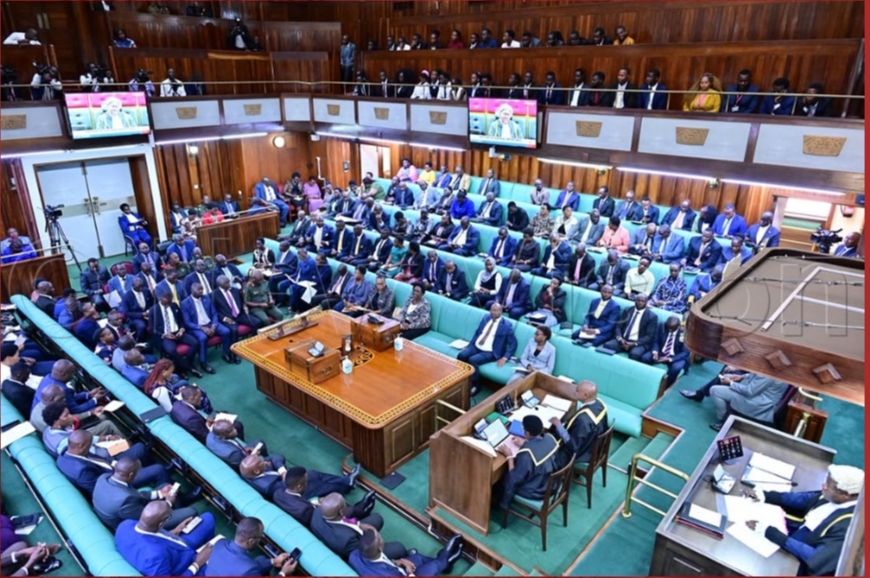
Appearing before Parliament’s HIV/AIDS committee on Monday, October 19, UNSA president Shillah Ainembabazi revealed that compounding economic hardship and severe food insecurity are forcing vulnerable university students—particularly young women—into transactional sex for survival, leaving them exposed to HIV and other sexually transmitted infections.
“Feeding and menstrual dignity are not welfare extras. They are HIV & AIDS prevention measures,” Ainembabazi told the committee chaired by Stephen Kisa. “A girl who has a meal, pad, and reason to stay in school is less likely to be pushed into a relationship she did not choose.”
The student leadership highlighted that government-sponsored students in public universities are bearing the brunt of worsening economic conditions. Currently, non-resident government-sponsored students receive a living allowance of Shs 800,000 per semester—an amount UNSA argues is wholly inadequate to cover daily sustenance in the face of rising commodity prices.
“There is no way you can utilise this amount when you are eating breakfast, lunch, and dinner,” Ainembabazi observed. “Another problem is that, for example at Makerere University, things like food are overpriced.”
Reinforcing her presentation with empirical data, Ainembabazi referenced the 2015 Violence Against Children Survey, which established that young women aged 18 to 24 who engaged in transactional sex were 5.9 times more likely to have multiple sexual partners and 5.2 times more likely to report infrequent condom usage.
She also pointed out structural barriers in existing HIV prevention initiatives across campuses. While government supplies free condoms to university health units—such as at Kyambogo University—many students avoid seeking them due to widespread social stigma attached to visiting campus sick bays.
Furthermore, purchasing protective measures from private pharmacies remains out of reach for destitute students.
“It becomes very expensive for a person who has not eaten lunch to go and buy those condoms in clinics,” Ainembabazi noted, advocating for discreet distribution methods, such as installing condom dispensers inside hostel washrooms.
Parliament’s HIV/AIDS committee promised to engage the relevant authorities to review the students’ grievances and explore legislative measures to address welfare gaps in tertiary institutions.