By Peter mabira
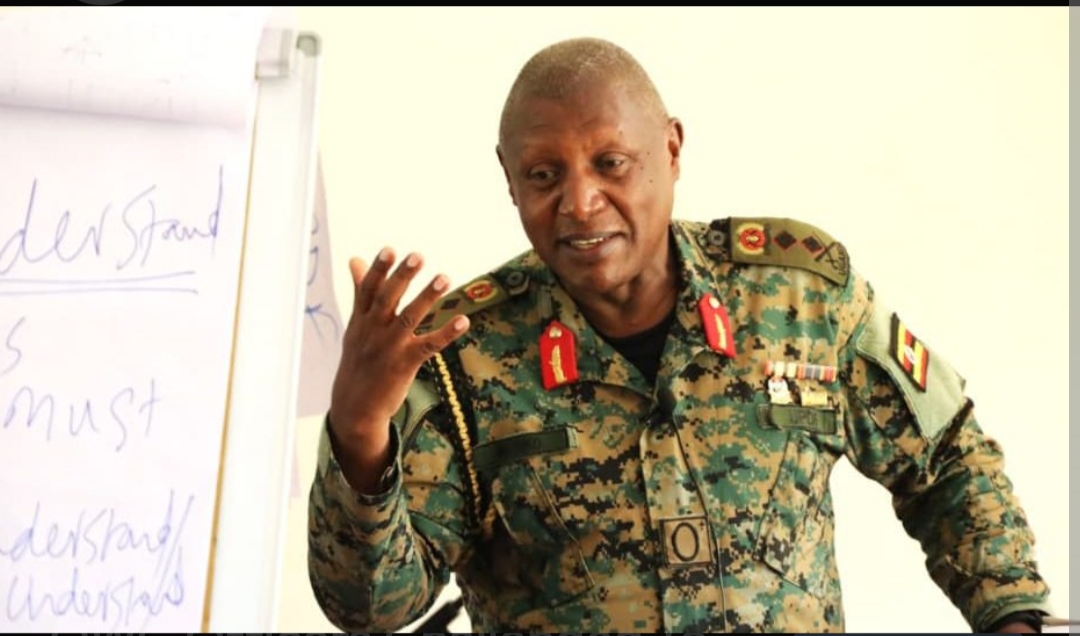
Uganda– Major General Henry Matsiko has called on Africans to embrace productivity, economic cooperation, human capital development and continental unity as essential foundations for achieving Africa’s prosperity.
Delivering a lecture to the Mwangaza Cohort 3, Batch One participants at the National Leadership Institute (NALI), Kyankwanzi, on 12th November 2026,
Maj Gen Matsiko outlined Africa’s strategic aspirations, emphasising that the continent has the resources, human potential and opportunities necessary to achieve sustainable prosperity.
He opened his presentation with a biblical reflection from Ecclesiastes 3:1, which highlights that there is a time and season for every purpose. He used this reflection to introduce the need for Africa to recognise its moment and pursue a deliberate path towards transformation.
Maj Gen Matsiko strongly emphasised that Africa deserves prosperity, describing a continent whose success should be measured by the quality of life of its people.
He envisioned an Africa characterised by wealth, modern infrastructure, accessible social services, a growing middle class, a skilled population and a knowledge-based society.
Using different African local languages to communicate his message, he reinforced the need for a fundamental shift towards productive citizens and a serious wealth-creating class.
He challenged social and economic tendencies associated with parasitism, feudalism and unproductive dependency, calling for a transformation towards productive engagement, skills development and economic participation.
The General identified key drivers that should guide Africa’s journey towards prosperity, including:
- Human Resource Development: Investing in education, skills development and knowledge to build a competent and productive population.
- Modernisation of Infrastructure: Developing essential infrastructure to facilitate trade, industrialisation, connectivity and service delivery.
- Wealth Creation by all: Encouraging citizens across different sectors to participate actively in economic production and wealth creation.
- African Unity: Strengthening cooperation and integration to enable African countries to pursue shared economic and strategic interests.
Maj Gen Matsiko further highlighted four critical sectors under the framework of ATMS, which Africa must strategically harness:
- Agriculture,Improving agricultural productivity, food security and commercial farming.
- Tourism,Exploiting Africa’s natural attractions, cultural diversity and historical heritage.
- Minerals, Ensuring that Africa’s mineral wealth contributes meaningfully to industrialisation and economic development.
- Science and Innovation, Promoting research, technological advancement and innovation as drivers of a modern economy.
In outlining the continent’s long-term aspirations, the General identified five strategic targets
- Safeguarding freedom and independence,Protecting Africa’s sovereignty and independence.
- Prosperity of the people,Pursuing economic transformation that improves the welfare and living standards of African citizens.
- Democracy and self-determination, Upholding the right of African people to determine their political and development paths.
- A united Africa, Promoting continental integration and overcoming divisions that undermine collective progress.
- Preservation of African identity, Protecting the continent’s culture, heritage, values and historical identity.
Among the obstacles highlighted were confusion and lack of strategic direction, weak states, inadequate human capital development, underdeveloped infrastructure, limited industrialisation, hostility, poor governance and continued fragmentation of the continent.
He challenged Africans to confront these barriers through strategic thinking, effective leadership, institutional development and collective responsibility.
Maj Gen Matsiko emphasised that wealth depends on the market and that Africa’s immediate and strategic markets are its neighbours.
He called for a culture in which African producers are supported by African consumers, arguing that the continent must strengthen intra-African trade, appreciate locally produced goods and recognise the economic value of cooperation.
He illustrated this principle through a direct appeal: “I need you, I love you. You are my market; I have what you want, and you have what I want. I have what you don’t have, and you have what I don’t have. Let’s support each other.”
The message underscored the importance of economic interdependence, regional trade and mutual support among African countries.
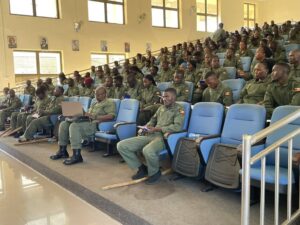
The lecture provided the Mwangaza Cohort 3, Batch One participants with a broader understanding of Africa’s development priorities and the responsibility of its people in shaping the continent’s future.
The central lesson was that Africa’s prosperity requires more than the availability of natural resources. It demands educated and skilled citizens, productive economies, modern infrastructure, technological advancement, effective governance and a united continental market.
Africa’s future prosperity will depend not only on what the continent possesses, but also on how its people utilise their resources, support one another and build a common economic destiny.