Peter Mabira
KYANKWANZI, UGANDA – November 14, 2026 – The Mwangaza African Revolutionary Study Groups have officially concluded their Cohort 3, Batch One training at the National Leadership Institute (NALI), Kyankwanzi, with more than 230 members passing out after an intensive programme combining ideological education, leadership development, practical skills and African cultural studies.
The wider Mwangaza initiative is reported to have graduated approximately 3,000 members since its establishment in 2021 under the guidance of President Yoweri Kaguta Museveni. The initiative seeks to promote ideological understanding, patriotism, African unity and socio-economic transformation.
The study groups are chaired by David K. Mafabi, Presidential Advisor on Political Affairs (Special Duties) and Chairperson of the Mwangaza Governing Council, who provides leadership and coordination for the initiative.
The latest passing-out event on November 14 presided over by Col Rukogota Okei the Director NALI kyankwanzi, marked another milestone, bringing together participants who had undergone lectures, discussions and practical exercises at NALI.
The passing-out ceremony held on November 14 and presided over by Col. Rukogota Okei, Director of the National Leadership Institute (NALI), Kyankwanzi, marked another significant milestone for Cohort 3 members, who had undergone a year-long training programme combining online learning, lectures, interactive discussions and practical exercises.
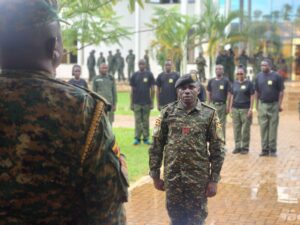
Before reporting to NALI, participants completed online lectures covering 12 thematic areas and successfully passed all the accompanying quizzes.
Unlike programmes that concentrate exclusively on classroom instruction, the Kyankwanzi training combined theoretical learning with practical exercises.
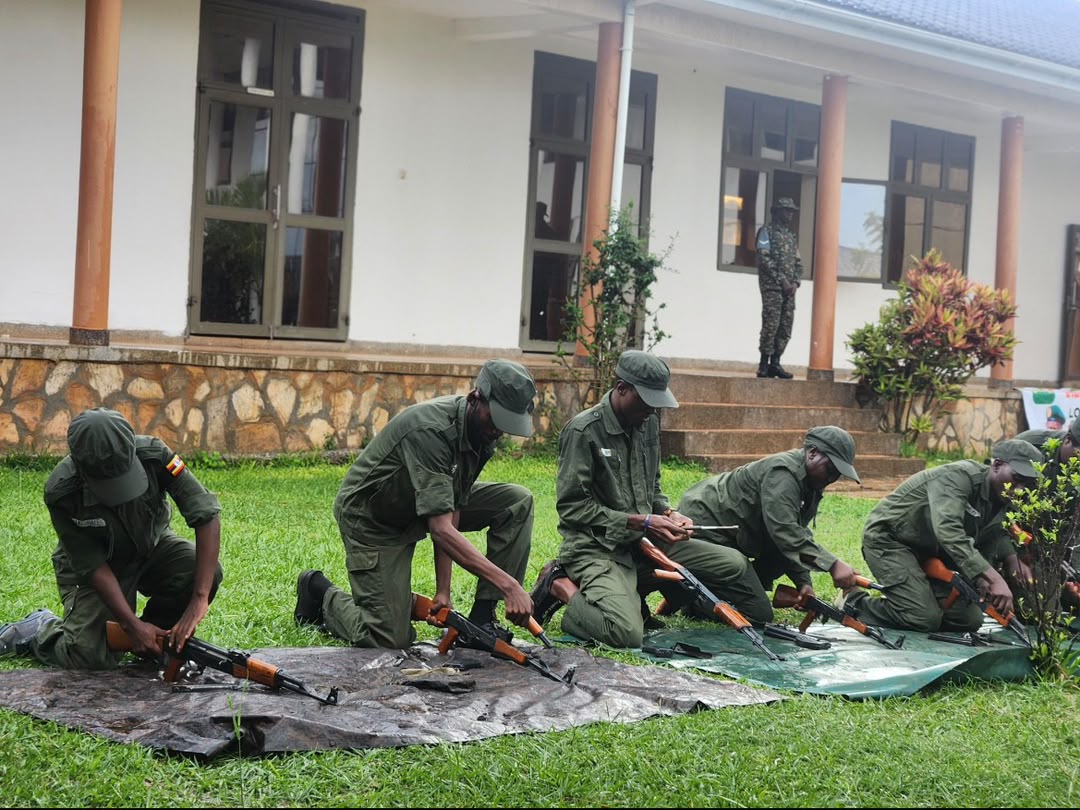
Participants received training in parade drills, self-defence and firearms handling, alongside lectures delivered by different facilitators and resource persons.
The parade exercises emphasised discipline, coordination, teamwork and collective responsibility, while self-defence sessions introduced participants to practical personal protection skills. Firearms training also exposed participants to weapon-handling procedures and the discipline associated with their responsible use.
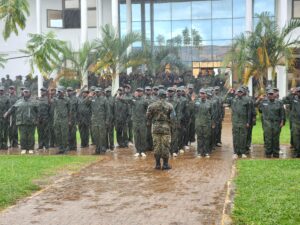
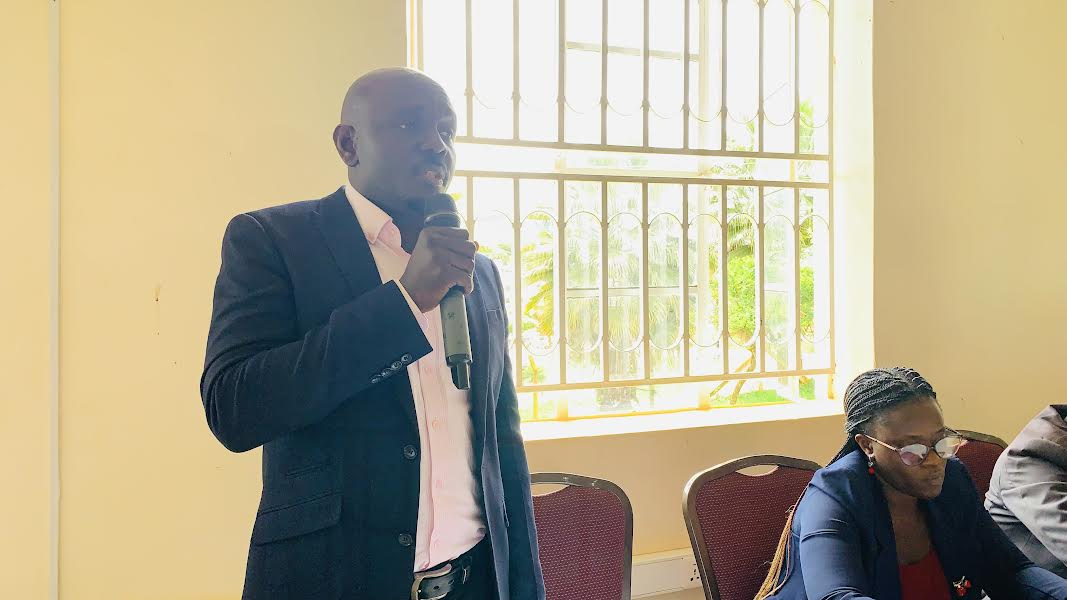
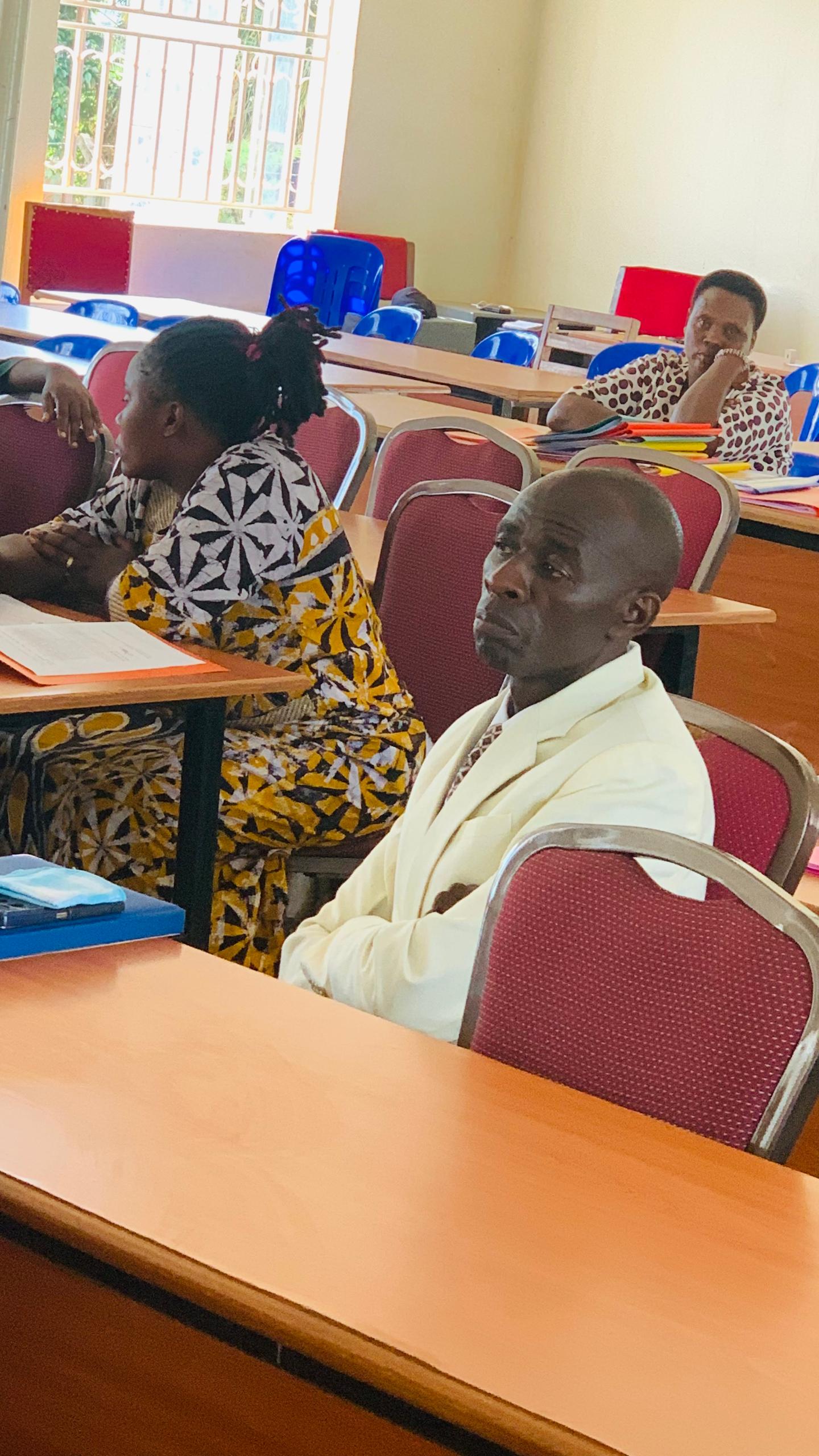
The intellectual and ideological component covered subjects including leadership, intelligence, national security, patriotism, revolutionary history, Pan-Africanism, economic transformation, productivity, wealth creation and national unity among others
Among the notable presentations was a lecture by Major General Henry Matsiko, who challenged participants to embrace productivity, human capital development, economic cooperation and continental unity as essential foundations for Africa’s prosperity.
He emphasised the importance of building an economically productive population and strengthening cooperation among African countries to advance the continent’s development.
Other engagements examined Uganda’s development priorities, the responsibility of citizens in national transformation and the importance of understanding the country’s historical and ideological journey among others
Participants were also reminded that Uganda is their country and that contributing to its stability, development and leadership is a shared responsibility by Col Elly katabazi.
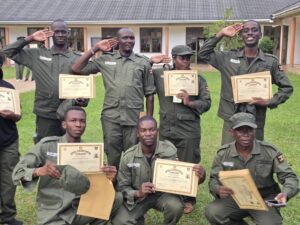
Participants also learnt basic Kiswahili, recognised as an important unifying language in Africa and one of the African Union’s official languages.
A major highlight was the recitation of a 21-stanza Kiswahili poem titled “NAFOKA”, which conveyed messages of African unity, pre-colonial history, colonial exploitation, the Berlin Conference, the struggle for independence and the need for continental integration.
The poem challenged Africans to overcome artificial colonial divisions, reclaim their historical identity and take responsibility for the continent’s future. It particularly called upon young Africans to unite, rewrite their history and champion Africa’s development.
Through its recurring refrain, “Nafoka”, the poem served as a call for African consciousness, solidarity and collective action.
Beyond the training sessions, Cohort 3 members also made a significant political statement through the Kyankwanzi Nyenkundire Declaration dated November 13, 2026.
In an urgent petition addressed to the National Resistance Movement (NRM) Central Executive Committee (CEC), an assembly of diverse members of the Movement and also the Mwangaza fraternity requested General Muhoozi Kainerugaba (MK) to become the patron of the Mwangaza African Revolutionary Study Groups.
The declaration placed generational transition, continuity and preservation of the Movement’s legacy at the centre of its appeal.
Members argued that the achievements established under President Museveni’s leadership should be protected and sustained by subsequent generations.
One of the central messages of the declaration was captured in the generational analogy”The father planted the tree, the son must water it, and the grandchildren will eat its fruits”
Through the petition, members called upon the CEC to consider their request, presenting their position as part of a broader conversation about the future of the Movement and generational responsibility.
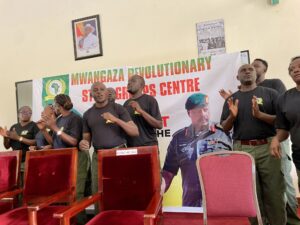
Members further expressed their commitment to returning to their respective communities as Mwangaza ambassadors, taking the lessons and ideals acquired during the training to the wider population.
Following the official closure of the training programme and passing-out activities, celebrations continued late into the evening.
Members gathered for an informal celebration featuring bull roasting and a cultural night, creating an opportunity to relax, interact, appreciate different cultural expressions and celebrate the friendships developed throughout the training.
The cultural evening brought a festive atmosphere to Kyankwanzi, allowing participants from different backgrounds to share in the celebration of their collective experience.
The gathering provided a memorable conclusion to the programme, combining fellowship, cultural appreciation and celebration after weeks of structured learning and practical engagements.
From ideological lectures and intelligence discussions to parade drills, self-defence, firearms training, Kiswahili lessons, African poetry, the Kyankwanzi Nyenkundire Declaration and the concluding cultural celebrations, the programme brought together several dimensions of learning and interaction.
The training has officially ended, but the responsibility to learn, lead, serve, promote African unity and contribute to national transformation continues.